the jar of blood
The jar of blood is a large vessel of freshly drawn pig's blood, kept in the yard behind the abbey's kitchen and stables, where the swineherds stir it to prevent coagulation so that it can later be made into blood puddings. It becomes the gruesome site where the second murder is discovered, and its presence in the narrative marks a decisive turn in the investigation, linking the library's secrets to a pattern of ritualized violence that William of Baskerville must decipher.
Appearance and Location
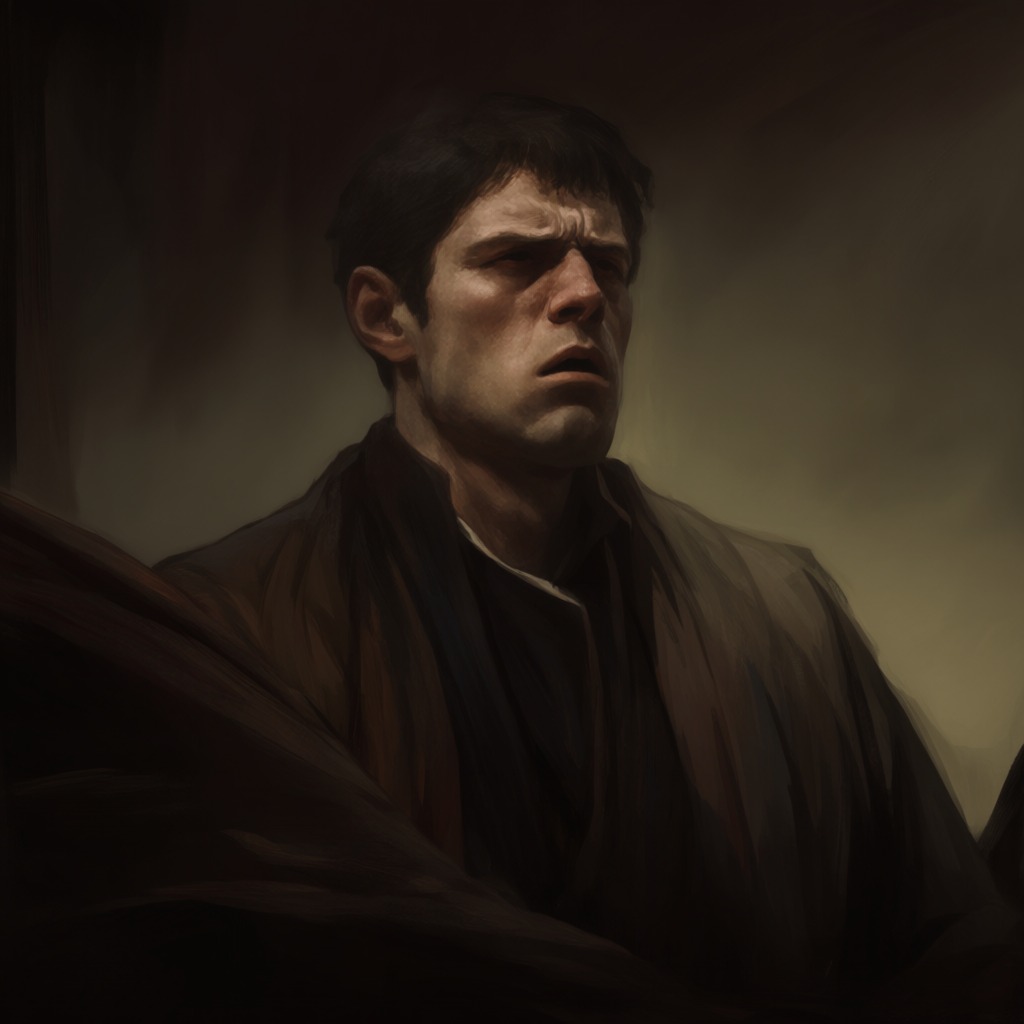
The jar stands in the open yard behind the choir of the church, in front of the pigpens, near the barns and the stables. On the morning after Venantius's death, the servants find a strange, almost cruciform object protruding above the edge of the vessel—two human legs thrust head-down into the blood. The blood, having been properly stirred immediately after the pigs were slaughtered and then left out in the cold, has not clotted, but the layer covering the corpse is beginning to solidify, soaking the habit and making the face unrecognizable. A servant throws water on the face and wipes it with a cloth, revealing the white face of Venantius of Salvemec, the Greek scholar with whom William and Adso had spoken the previous afternoon in the scriptorium.
Narrative Function and Investigation
The discovery of Venantius's body in the jar of blood immediately escalates the mystery. The abbot, Abo, beseeches William to act quickly, and William bends over the corpse, dipping a cloth into a bucket of water to further cleanse Venantius's face. Severinus of Sankt Wendel, the herbalist, joins him, and together they note that the features are swollen, indicating that Venantius was already dead when someone threw the body into the jar. William then examines the snow around the vessel, finding a trail of footprints and a continuous drag mark leading from the jar to the door of the refectory on the side of the Aedificium between the south tower and the east tower. This spoor convinces William that Venantius died in the Aedificium—most probably in the library—and that the murderer carried the body to the jar to conceal the crime and to divert attention from the library itself.
Symbolic and Thematic Significance
The jar of blood becomes a key piece of evidence in William's developing theory that the murders follow the sequence of the seven trumpets of the Apocalypse. The first death, Adelmo's fall, is associated with hail and fire mingled with blood; the second death, Venantius's immersion in the jar, corresponds to the second trumpet, where a third part of the sea becomes blood. This pattern, though later revealed to be a coincidence rather than a deliberate plan, shapes William's investigation and leads him to suspect a mind obsessed with the Book of Revelation. The jar also serves as a visceral emblem of the abbey's hidden violence—a mundane object of daily monastic life transformed into a macabre spectacle that forces the community to confront the corruption festering within its walls. The blood itself, intended for the practical purpose of making puddings, becomes a stain that cannot be washed away, a physical reminder of the sin and death that have invaded the sacred space.